



Exercise is a cornerstone of good health, but its impact and the most effective approaches shift significantly throughout different stages of life. What works for a spry 20-year-old might not be suitable—or even safe—for a developing child or an older adult. Understanding how your body changes with age is crucial for tailoring an exercise regimen that maximizes benefits and minimizes risks, ensuring a lifetime of healthy movement.
As we age, our bodies undergo various physiological changes, impacting everything from bone density and muscle mass to cardiovascular efficiency and flexibility. Ignoring these changes and sticking to a “one-size-fits-all” workout plan can lead to injury, burnout, and a lack of desired results. Conversely, adapting your physical activity to your current age and physical condition can unlock profound health benefits, enhancing vitality and longevity at every stage.

The Evolving Needs of Your Body: Exercise Across the Lifespan
The type, intensity, and duration of recommended physical activity vary significantly from childhood through older adulthood. These guidelines are designed to support growth and development, maintain peak performance, or preserve function and reduce age-related decline.
Children and Adolescents (Ages 6-17)
For children and adolescents, the focus is on developing fundamental movement skills, building strong bones and muscles, and establishing lifelong healthy habits. The recommended guideline is at least 60 minutes or more of moderate-to-vigorous physical activity daily. This should include aerobic activities, muscle-strengthening activities (at least three days a week), and bone-strengthening activities (at least three days a week).
Examples of suitable activities include active play, team sports, running, swimming, cycling, gymnastics, and bodyweight exercises like push-ups and sit-ups. Regular physical activity in this age group promotes improved fitness, stronger bones and muscles, lower body fat, and even brain health benefits like improved cognition and reduced symptoms of depression.
Risks of Inappropriate Exercise for Youth: While exercise is vital, excessive or improperly supervised training can lead to issues. Over-exercising in children, especially in competitive sports, can result in overuse injuries, stress fractures, and even mental health disorders like “anorexia athletica” or burnout. Children’s growth plates are particularly vulnerable to repetitive stress, which can disrupt normal bone growth.
Young Adults (Ages 18-64)
This broad age group generally shares similar core exercise recommendations, focusing on maintaining cardiovascular health, muscle strength, and flexibility. Adults should aim for at least 150 to 300 minutes of moderate-intensity aerobic activity per week, or 75 to 150 minutes of vigorous-intensity aerobic activity per week, or an equivalent combination. Additionally, muscle-strengthening activities involving all major muscle groups are recommended on two or more days a week.
Moderate-intensity activities include brisk walking, dancing, gardening, and water aerobics. Vigorous activities might involve running, swimming laps, or playing competitive sports. Building healthy habits in your 20s and 30s sets the foundation for long-term health, while those in their 40s and 50s should continue these practices to mitigate age-related decline.
Older Adults (Ages 65 and Above)
For older adults, exercise becomes even more critical for preserving physical function, maintaining independence, and preventing chronic diseases. The recommendations are similar to younger adults: at least 150 to 300 minutes of moderate-intensity aerobic activity or 75 to 150 minutes of vigorous-intensity aerobic activity per week. However, there’s an increased emphasis on activities that improve strength, balance, and flexibility to reduce the risk of falls and related injuries.
Muscle-strengthening activities should target major muscle groups at least twice a week. Balance-enhancing exercises, such as Tai Chi or yoga, are highly recommended three or more days per week, especially for those with poor mobility. Even short episodes of activity (as low as 5 minutes per day) are beneficial for previously inactive older adults, with gradual increases over time.
Benefits for Older Adults: Regular physical activity can help older adults reduce their risk of cardiovascular disease, type 2 diabetes, certain cancers, and dementia. It also improves functional ability, making daily tasks easier, and offers protection against osteoporosis and age-related muscle loss (sarcopenia).
Benefits of Age-Appropriate Exercise
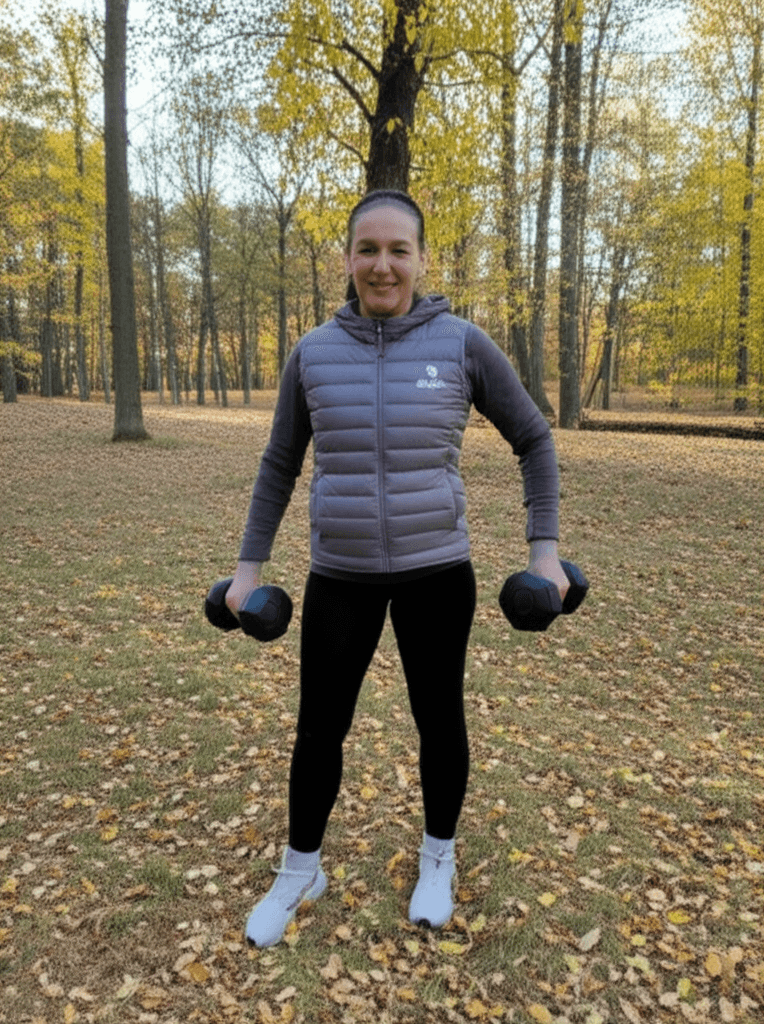
Engaging in physical activity tailored to your age offers a multitude of benefits:
- Optimal Development: For children, it supports healthy growth of bones, muscles, and motor skills.
- Disease Prevention: Across all age groups, appropriate exercise reduces the risk of heart disease, stroke, type 2 diabetes, obesity, and certain cancers.
- Mental Well-being: Regular activity improves mood, reduces stress, anxiety, and depression, and enhances cognitive function and sleep quality.
- Functional Independence: Particularly for older adults, it maintains physical function, balance, and mobility, crucial for independent living and fall prevention.
- Injury Prevention: By strengthening supporting muscles and ensuring exercises match physical capabilities, age-appropriate routines help prevent injuries.

Risks of Ignoring Age-Specific Exercise Needs
Failing to adjust your exercise routine as you age can have detrimental consequences:
- Increased Injury Risk: Children’s developing bodies are susceptible to overuse injuries from high-impact or repetitive sports without adequate rest. Older adults face higher risks of sports-related injuries due to decreased bone density, muscle mass, and balance.
- Burnout: For younger individuals, excessive training can lead to physical and mental exhaustion, causing them to abandon physical activity altogether.
- Ineffectiveness: A workout not suited to your age might not yield the desired health benefits. For instance, high-intensity training might be too strenuous for an older individual, while only light activity might not be sufficient for a young adult to build optimal fitness.
- Worsening Health Conditions: Pushing too hard can exacerbate existing conditions, while insufficient activity can contribute to the development of metabolic disorders and chronic diseases.
Tips for Adapting Your Exercise Routine
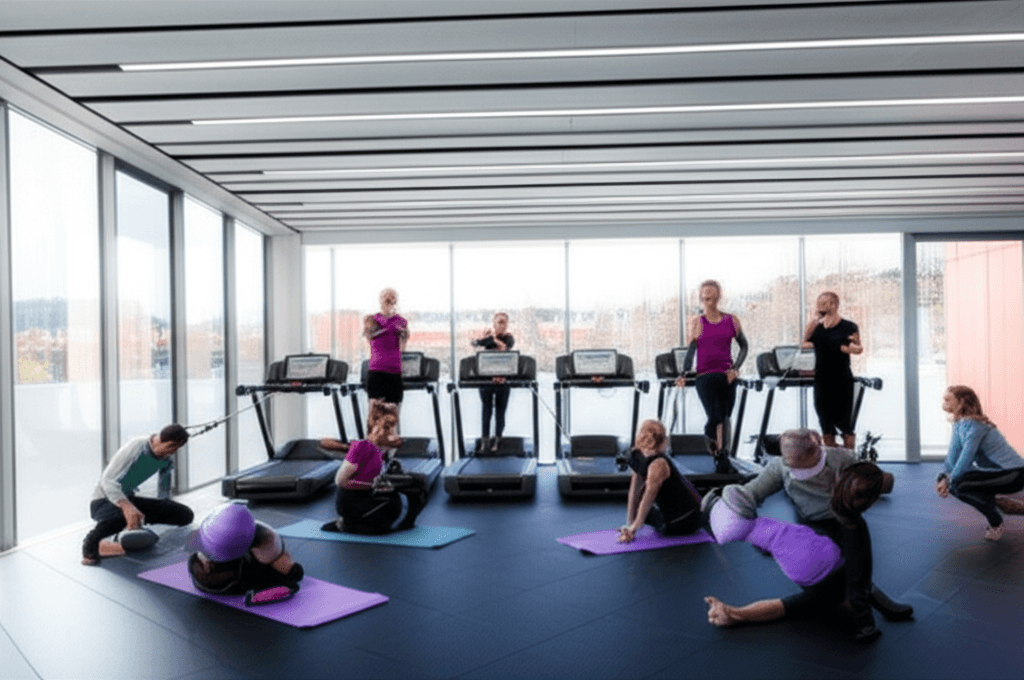
- Consult a Professional: Always speak with a doctor or healthcare professional before starting or significantly changing an exercise program, especially if you have underlying health conditions or have been inactive for some time.
- Listen to Your Body: Pay attention to pain, fatigue, and recovery. What felt easy yesterday might be too much today.
- Start Gradually: Especially when beginning a new routine or after a period of inactivity, incrementally increase the duration, intensity, and frequency of your workouts.
- Vary Your Activities: Incorporate a mix of aerobic, strength-training, and flexibility/balance exercises to promote well-rounded fitness and reduce the risk of overuse injuries.
- Prioritize Recovery: Adequate rest and nutrition are just as important as the workout itself, allowing your body to repair and adapt.
In conclusion, understanding and respecting the changes your body undergoes with age is paramount to maintaining a healthy and active lifestyle. By aligning your exercise routine with your current age-specific needs, you can unlock a lifetime of physical and mental well-being, ensuring that your body remains a strong and capable vessel for years to come.