

For years, the belief that serious muscle gains necessitate a diet rich in animal protein has been a prevailing “bro-science” dictum in fitness circles. However, a growing body of scientific research and the increasing success of plant-based athletes are challenging this long-held assumption, demonstrating that a well-planned plant-based diet can be just as effective for building muscle mass and strength. The latest studies indicate that individuals can forgo meat and whey and still achieve significant lean mass.
This article delves into what research says about building muscle on a plant-based diet, covering protein requirements, key plant-based protein sources, crucial micronutrients, and effective dietary strategies.
Demystifying Muscle Growth on a Plant-Based Diet
The primary concern for those considering a plant-based diet for muscle building often revolves around protein quality and quantity. Historically, animal proteins were deemed superior due to their “complete” amino acid profile. However, contemporary research offers a more nuanced understanding.
Challenging the Animal Protein Superiority Myth
A recent trial published in the journal Medicine & Science in Sports & Exercise provides some of the strongest evidence to date. This study randomized 40 young adults into either a vegan or an omnivore diet, with both groups consuming the same amount of protein (approximately 1.1 to 1.2 grams per kilogram of body weight daily) while engaging in resistance training. Researchers, who provided all meals to ensure accuracy, found similar rates of myofibrillar protein synthesis – an indicator of muscle-building activity – in both groups. This outcome contradicts previous beliefs about the anabolic superiority of animal protein and suggests that resistance exercise may enhance the anabolic response to both dietary patterns.
Several other studies have also shown no significant differences in muscle size or strength gains over 10 to 12 weeks when protein intake is sufficiently high (around 1.6 to 2 grams per kilogram of body weight), regardless of whether the protein comes from animal or plant sources. Even in studies comparing vegetarian and non-vegetarian responses to creatine supplementation during training, vegetarians experienced significantly greater increases in creatine stores, whole-body muscle mass, and total work performance.
Protein Requirements for Plant-Based Muscle Building
To build and maintain muscle, the recommended protein intake typically ranges from 1.2 to 2 grams per kilogram of body weight daily, especially for individuals who exercise regularly or lift weights. For athletes, a target north of 1.5 grams per kilogram is often recommended. It’s crucial to spread protein intake throughout the day for better digestion and absorption.
Understanding Complete Proteins
Proteins are made up of amino acids, and our bodies require nine essential amino acids that cannot be produced internally. While animal products naturally provide all essential amino acids, many individual plant foods may be lower in one or more. However, all plants contain all nine essential amino acids. The key for plant-based diets is to consume a variety of protein sources daily to ensure an adequate mix of these essential amino acids. Combining complementary plant proteins, such as grains with legumes (e.g., brown rice and beans or lentils), can create a complete amino acid profile.
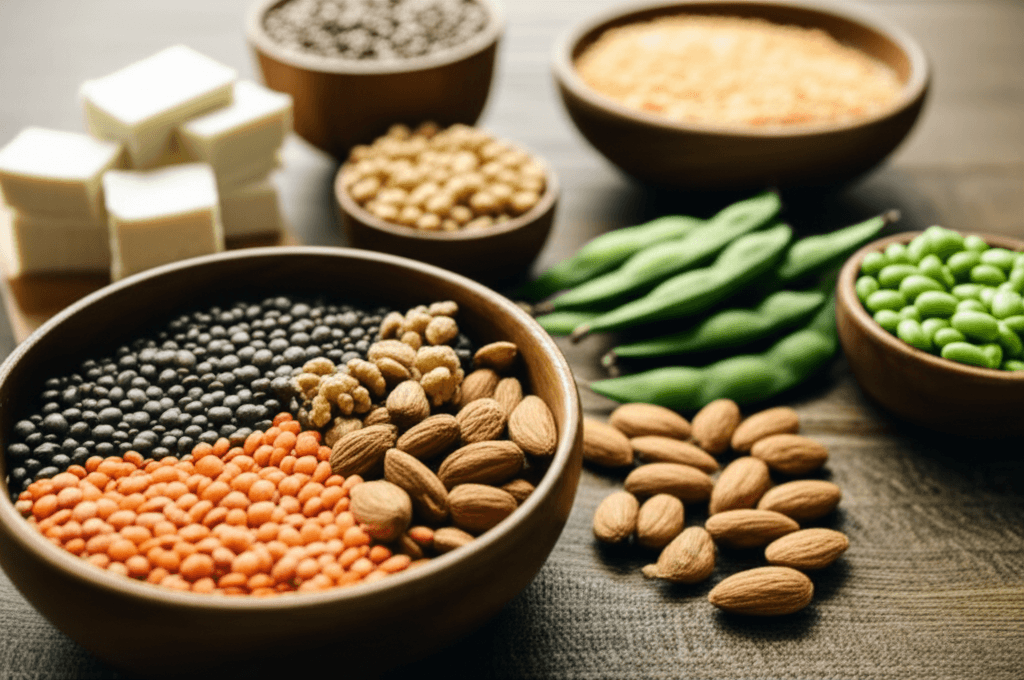
Powering Up with Plant-Based Protein Sources
A diverse array of plant foods offers excellent protein content, alongside beneficial fiber, vitamins, and minerals. Here are some of the top choices for muscle building:
Legumes: The Protein Powerhouses
Legumes are a staple in plant-based diets and offer substantial protein.
- Lentils: Provide about 18 grams of protein per cooked cup and are rich in iron, aiding oxygen transport to muscles. They are also high in fiber and folate.
- Chickpeas (Garbanzo Beans): Offer around 15 grams of protein per cooked cup and are versatile for various dishes like hummus, salads, or curries.
- Black Beans & Kidney Beans: Both are excellent sources, with kidney beans containing about 24 grams of protein per 100 grams. Black beans provide approximately 15g of protein per cooked cup.
- Edamame: Supplies about 17 grams of protein per cooked cup.
Soy Products: Versatile & Complete
Soy-based foods are considered complete proteins and are highly effective for muscle growth.
- Tofu: Firm tofu offers around 20 grams of protein per cup and can build strength and muscle mass as effectively as whey protein when combined with resistance training. It’s also a source of iron and calcium.
- Tempeh: A fermented soy product, tempeh is exceptionally protein-dense, providing up to 31 grams per cup.
Grains and Pseudograins: More Than Just Carbs
These grains contribute significantly to protein intake and provide complex carbohydrates for sustained energy.
- Quinoa: A complete protein, quinoa delivers about 8 grams of protein per cooked cup. Its amino acid profile is comparable to casein, a milk protein.
- Amaranth: Offers about 9 grams of protein per cooked cup.
- Buckwheat: Contains around 5.68 grams of protein per cooked cup.
- Oats: Porridge oats provide about 13 grams of protein per 100 grams, making them a great breakfast or post-workout meal when combined with other plant proteins like soy milk, peanut butter, and nuts.
Seeds and Nuts: Nutrient-Dense & Protein-Rich
Seeds and nuts are excellent sources of protein, healthy fats, and micronutrients.
- Hemp Seeds: Contain about 9.5-10 grams of protein per 3 tablespoons and are a balanced source of omega-3 and omega-6 fatty acids.
- Chia Seeds: Provide around 4 grams of protein per 2 tablespoons and are rich in omega-3s.
- Pumpkin Seeds: Offer about 19 grams of protein per 100 grams.
- Flaxseeds: Rich in ALA omega-3s.
- Peanuts & Peanut Butter: Peanuts contain 26 grams of protein per 100 grams. Almonds, pistachios, and cashews are also good protein sources.
Other Notable Plant Proteins
- Seitan: Made from wheat gluten, seitan is a very high-protein option, offering around 25 grams per 100 grams.
- Nutritional Yeast: Known among vegans, it provides about 8 grams of protein per 2 tablespoons.
- Spirulina: This blue-green algae is a protein powerhouse, containing about 4 grams per tablespoon or 8 grams per 2 tablespoons.
Plant-Based Protein Powders
For convenience and to help meet daily protein goals, plant-based protein powders (e.g., pea protein, rice protein, or blended options) can be valuable. Many are designed to be easily digestible, especially sprouted and fermented varieties.
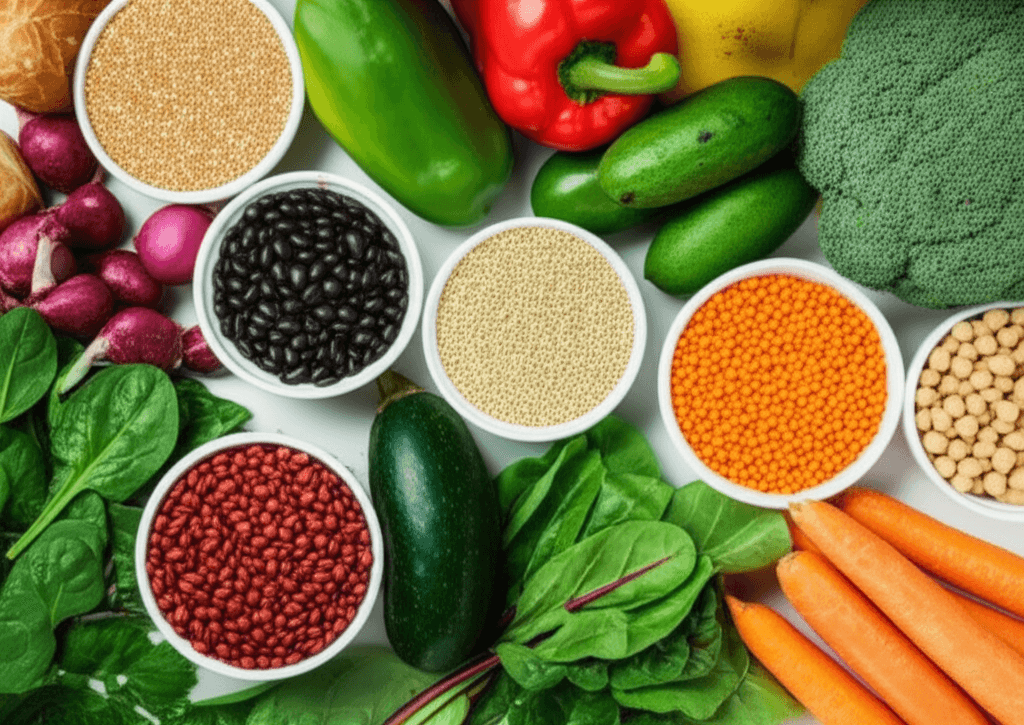
Essential Micronutrients for Plant-Based Athletes
While protein is paramount, a successful plant-based muscle-building diet also requires careful attention to specific micronutrients that might be less abundant or less bioavailable in plant foods.
Iron: Crucial for Oxygen Transport
Iron is essential for making hemoglobin in red blood cells, which carry oxygen to muscles, and myoglobin, which stores oxygen in muscle cells. Iron deficiency can lead to fatigue, weakness, and reduced exercise capacity.
- Plant-Based Sources: Lentils, chickpeas, tofu, black beans, spinach, kidney beans, pumpkin seeds, and quinoa.
- Absorption Tips: Plant-based iron (non-heme iron) is less easily absorbed than heme iron from meat. Pairing iron-rich plant foods with vitamin C sources (e.g., bell peppers, broccoli, oranges, strawberries) significantly enhances absorption. Avoiding tea and coffee with meals can also help, as they can reduce iron absorption.
Zinc: Supporting Muscle Function and Immunity
Zinc is an essential trace element concentrated in skeletal muscle and bone, critical for growth, development, immune function, and protein metabolism.
- Plant-Based Sources: Whole grains, legumes (chickpeas, lentils, kidney beans), nuts (cashews, almonds), seeds (hemp, pumpkin, flaxseed, sesame, sunflower), tofu, and miso.
- Bioavailability: Plant-based zinc can be less bioavailable due to phytates in whole grains and legumes. Soaking, heating, sprouting, and fermenting can help reduce phytates and improve absorption. Citric acid (found in citrus fruits) can also improve zinc availability.
Vitamin B12: Non-Negotiable for Vegans
Vitamin B12 is crucial for red blood cell formation, nervous system health, DNA synthesis, and energy metabolism. A deficiency can lead to muscle weakness and nerve damage.
- Sources: Vitamin B12 is made by micro-organisms and is not reliably produced by plants. Therefore, fortified foods (plant milks, breakfast cereals, nutritional yeast) and B12 supplements are essential for individuals following a plant-based diet.
Omega-3 Fatty Acids: For Overall Health and Recovery
Omega-3 fatty acids, particularly ALA (alpha-linolenic acid), EPA (eicosapentaenoic acid), and DHA (docosahexaenoic acid), are vital for heart health, brain function, and reducing inflammation, which can aid muscle repair and recovery.
- Plant-Based Sources: ALA is found in walnuts, flaxseeds, chia seeds, and hemp seeds. The body can convert ALA into EPA and DHA, although this conversion efficiency varies.
- Supplementation: For those concerned about EPA/DHA levels, particularly during pregnancy, lactation, or aging, microalgae-based DHA and EPA supplements are a vegan-friendly option. It’s also helpful to balance omega-3 intake by limiting excessive omega-6 fats from oils like sunflower or corn.
Creatine: Enhancing Performance
Creatine is an organic compound that helps supply energy to cells, critical for muscle contraction and strength. While the body produces some creatine, it is primarily obtained from meat and fish.
- Plant-Based Considerations: Vegans and vegetarians typically have lower baseline muscle creatine levels because plant foods do not contain creatine.
- Supplementation: Creatine supplementation can be particularly impactful for plant-based individuals, potentially leading to greater increases in muscle strength, power, and mass when combined with resistance training. Most creatine supplements are vegan-friendly. A daily maintenance dose of 3-5 grams is often recommended.
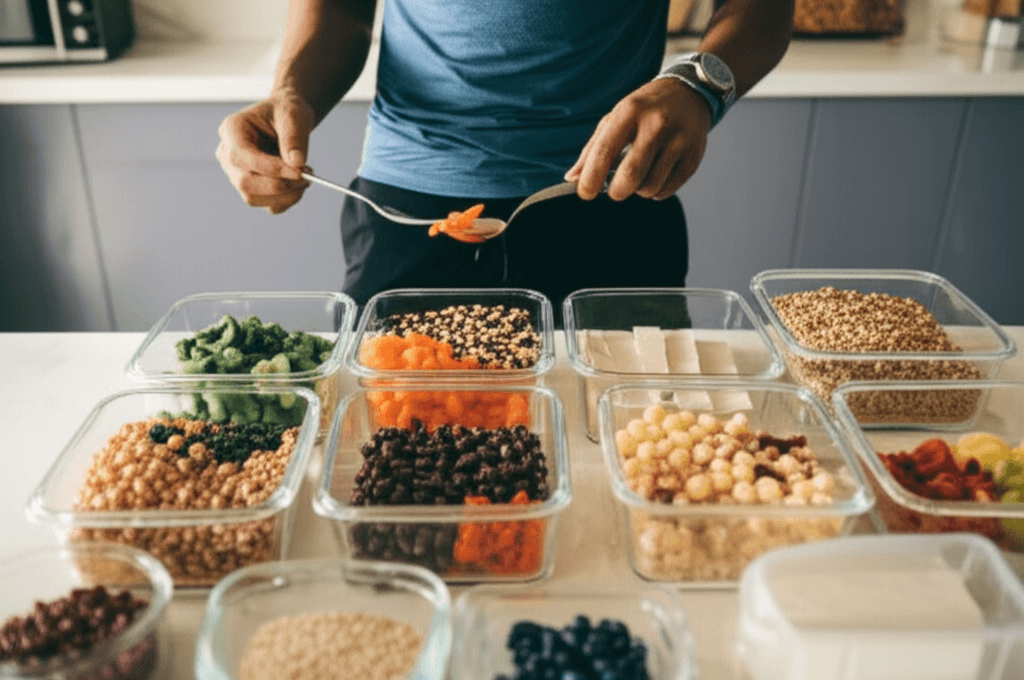
Strategic Meal Planning for Plant-Based Muscle Building
Building muscle on a plant-based diet requires intentional meal planning to ensure adequate calorie, macronutrient, and micronutrient intake.
Fueling Around Workouts
- Pre-workout: Combine easily digestible carbohydrates with moderate protein (e.g., banana with almond butter).
- Post-workout: Emphasize protein with complex carbohydrates within 30-60 minutes to support muscle repair and glycogen replenishment (e.g., tempeh stir-fry with quinoa). Fueling both pre and post-workout within a 3-4 hour window provides optimal support.
Meal Composition and Variety
- Aim for 20-30 grams of protein per meal, with snacks contributing 10-15 grams.
- Focus on whole foods, including a variety of grains, legumes, vegetables, nuts, and seeds.
- Incorporate four categories in each meal: a carb element (e.g., quinoa, brown rice), a hearty protein element (e.g., tofu, lentils, chickpeas), a fresh element (e.g., leafy greens, bell peppers), and a creamy element (e.g., avocado sauce, nut butter).
- Minimize processed foods.
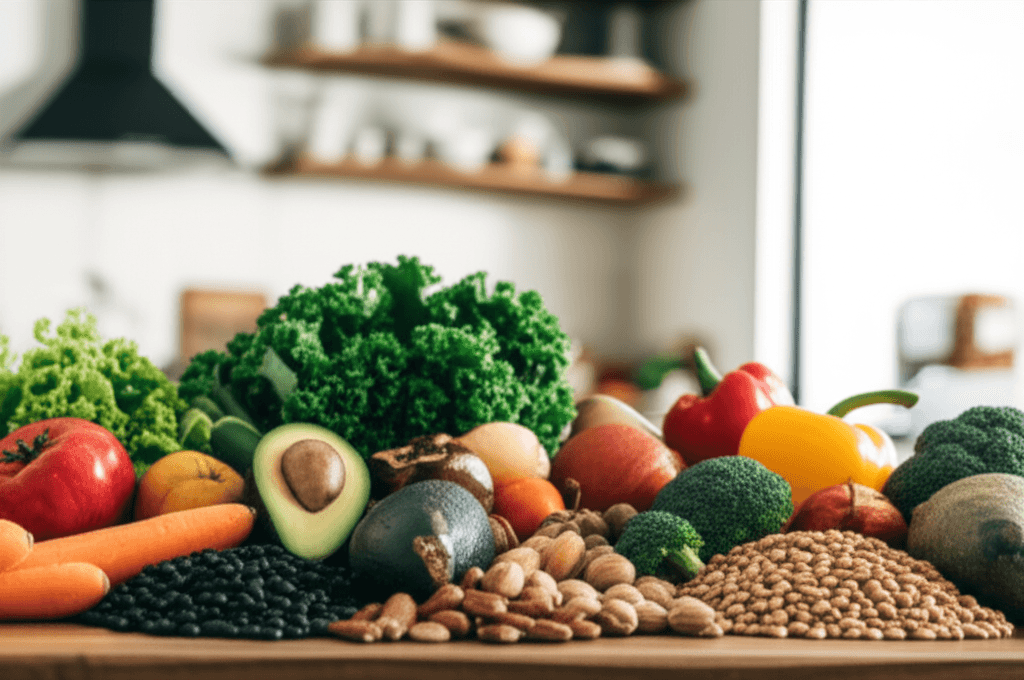
Beyond Muscle: Broader Benefits of a Plant-Based Approach
Beyond the physical gains, a plant-based diet offers several health and environmental advantages. It can aid in faster recovery, increased endurance, and lowered inflammation due to a higher intake of antioxidants. Many plant-based athletes report improved recovery times and enhanced performance. Furthermore, adopting a plant-based lifestyle contributes to reduced animal cruelty and greater sustainability.
Conclusion
The scientific consensus and real-world results from dedicated plant-based athletes confirm that building muscle on a plant-based diet is not only possible but can be highly effective. By prioritizing adequate protein intake from diverse plant sources, strategically managing micronutrients like iron, zinc, B12, and omega-3s, and considering targeted supplementation like creatine, individuals can achieve their muscle-building goals without compromise. The key lies in careful planning, variety, and consistency, proving that plant power is indeed muscle power.